NEW EPISODE
AVAILABLE NOW
What if the biggest thing holding your business back isn't marketing, sales, or hiring? The right Business Growth Strategy often isn't about adding more—it's about simplifying what already exists. As your business grows, it's easy to become the person every decision, problem, and question flows through. The result? Longer hours, constant firefighting, and a business that depends on you instead of supporting you.
Sustainable growth doesn't happen by working harder. It happens when you intentionally build leadership rhythms, create clarity for your team, and establish a culture where ownership thrives. If you're scaling business operations and wondering why growth feels more complicated than ever, the answer may not be another hire—it may be the systems and rhythms your business is missing.
You'll discover why simplifying before expanding is a smarter Business Growth Strategy, how leadership rhythm creates space for strategic thinking instead of constant reacting, and why clear accountability gives your team the confidence to make better decisions. If you're navigating startup scaling or wondering how to scale a team without becoming the bottleneck, these practical shifts will help you lead with greater confidence while reducing overwhelm.
You'll also learn why culture is far more than perks or values on a wall. Real culture is built through consistent behaviours, communication, and trust that empower people to solve problems without relying on the founder for every answer. This is especially valuable for women in business leadership, where caring deeply can unintentionally turn into carrying everything.
The most effective Business Growth Strategy isn't about doing more. It's about creating leadership, people, and culture rhythms that allow your business to grow without costing you your health, your family, or the freedom you started your business to create.
Ready to uncover where your business needs stronger rhythms? Download the free Resilience Rhythm Check-In from the High Voltage Resource Library, then book a Spark Session to identify what's keeping you stuck and create a practical plan for sustainable growth.
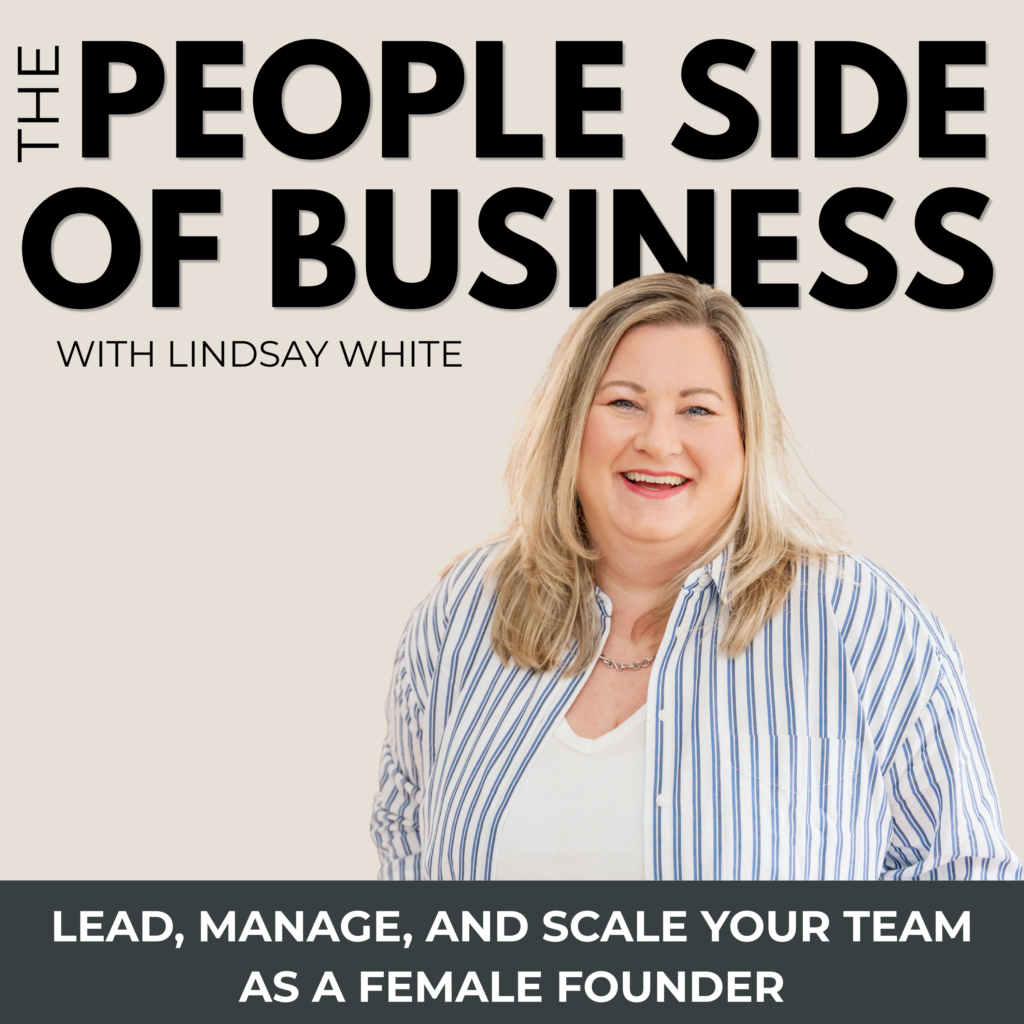
The People Side of Business is the podcast for female founders and business owners who are leading teams and growing businesses.
Hosted by Lindsay White, Leadership Coach, Team Leadership Strategist, and Fractional HR Expert, this show delivers practical leadership strategies, real-world people solutions, and honest conversations about the challenges of leading a team.
From employee performance issues and difficult conversations to hiring, accountability, workplace culture, and team growth, each episode is designed to help you lead, manage, and scale your team as a founder.
If you're ready to become a more confident leader, make better people decisions, and build a stronger, higher-performing team, you're in the right place.
Learn more at highvoltageleadership.ca, connect on Instagram @highvoltleadership, or find Lindsay White on LinkedIn.
The people side of business isn't separate from growth. The people side of business is the business.
More Episodes
What if the biggest thing holding your business back isn't marketing, sales, or hiring? The right Business Growth Strategy often isn't about adding more—it's about simplifying what already exists. As your business grows, it's easy to become the person every decision, problem, and question flows through. The result? Longer hours, constant firefighting, and a business that depends on you instead of supporting you.
Sustainable growth doesn't happen by working harder. It happens when you intentionally build leadership rhythms, create clarity for your team, and establish a culture where ownership thrives. If you're scaling business operations and wondering why growth feels more complicated than ever, the answer may not be another hire—it may be the systems and rhythms your business is missing.
If you're wondering how to lead a team when performance keeps falling short, the answer may not be what you think. It's easy to assume missed deadlines, inconsistent communication, or declining results point to employee issues. But more often than many founders realize, the real challenge isn't a lack of accountability—it's a lack of leadership clarity. Before you jump to conclusions, ask yourself whether your team truly understands what's expected, what success looks like, and where ownership begins.
Subscribe To The High Voltage Hub!
Sign up now to receive bi-weekly news and updates. We will never spam you!